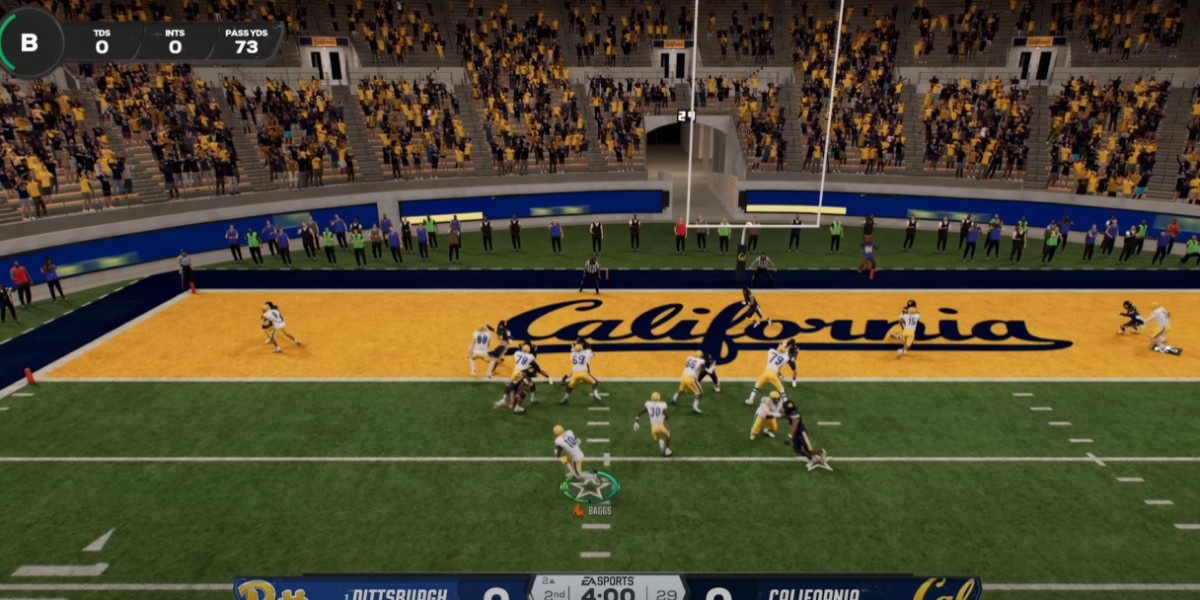

College Football 26 (CFB 26) continues to deliver exhilarating gameplay for fans of gridiron action and deep strategic play.
Whether you're a seasoned veteran of the franchise or just diving into the latest edition, building the right team and mastering top-tier players is essential for dominating in both ranked and head-to-head modes. In this article, we're breaking down the gameplay with one of the game's standout running backs CFB 26 Coins, Darren McFaden, offering insights into optimal strategies, playbook setups, and the best ways to exploit his abilities to achieve maximum success on the field.
Darren McFaden: The Top-Tier Running Back
When evaluating running backs in CFB 26, speed, acceleration, and ball-handling stats are critical factors. Darren McFaden shines in all three areas, boasting a top-tier 96 speed and 97 acceleration, making him one of the most agile and explosive backs available.
His overall ball-carrying stats further reinforce his reliability, ensuring that he can consistently break tackles, gain extra yards, and turn small openings into significant gains.
But raw stats aren't the only reason McFaden stands out. In CFB 26, alumni cards like his come with discounted gold abilities that dramatically enhance gameplay. For instance, the gold Shifty 7 ability allows him to dodge defenders more effectively, opening lanes that might otherwise seem impossible. Combined with a rushing-focused offense, this makes McFaden a potent weapon in any playbook.
Building the Right Rushing Offense
The key to unlocking McFaden's full potential is pairing him with a strategy that maximizes his strengths. One effective method involves using a Michigan-inspired offense, particularly formations like the I-formation or Wing Pair. These formations allow for balanced rushing plays while also providing passing options to keep defenses guessing.
A crucial component of this setup is the offensive line. Running three strong grips on the line, coupled with a silver dot on Mendoza, ensures that McFaden receives the necessary blocking to exploit gaps effectively. In practice, this combination allows him to consistently find and hit open lanes, even against tough defensive setups.
On the defensive side of the ball, maintaining abilities like Gold House Call across key players ensures that opponents cannot easily predict or exploit weaknesses. By controlling the line of scrimmage and protecting your backfield, you can create the conditions for McFaden to shine, whether in short-yardage situations or long, explosive breakaways.
Gameplay Strategies: Mastering the Run
Live gameplay with McFaden demonstrates why he is such a reliable choice for high-powered rushing attacks. One of the critical strategies is to trust the blockers and follow the lane. Effective running isn't just about raw speed-it's about anticipation, timing, and reacting to defensive alignment.
For example, executing plays like a weak-side stretch can exploit mismatches in the defense, allowing McFaden to fly past defenders who are out of position. Similarly, understanding when to cut inside or bounce outside based on the defensive setup is crucial for maintaining momentum and avoiding tackles for loss.
Even in high-pressure scenarios, such as facing players who run heavy defense schemes or stack the box, McFaden's agility and acceleration allow him to break initial tackles and gain extra yards. However, one recurring theme is that consistency in following blocking paths significantly increases success rates. Players who try to force their way through gaps without coordination often encounter unnecessary losses or fumbles.Comparing Running Backs: McFaden vs. the Competition
While Darren McFaden is a strong contender for top running back in CFB 26, other players like Reggie Bush, Archie Griffin, and Deuce McAllister remain formidable. Reggie Bush, in particular, is noted for his shiftiness and consistent performance, making him an excellent budget-friendly alternative. While McFaden's speed and acceleration are elite, he sometimes experiences slower animations or tougher matchups against defensive-heavy players, which slightly limits his ceiling in specific scenarios.
That said, McFaden's all-around stats, gold abilities, and adaptability make him a versatile choice. For players looking to maximize yardage and maintain control over the rushing game, he remains an excellent option. Additionally, when paired with complementary offensive strategies and well-timed plays, he can dominate nearly any defensive setup.
Maximizing the Playbook
In CFB 26, selecting the right plays is just as important as choosing the right player. For a McFaden-focused offense, incorporating a mix of outside stretches, duo runs, and high-cut plays is ideal. Outside runs allow McFaden to leverage his speed, while duo runs create lanes in congested areas. High-cut plays are excellent for unpredictable breakaways when the defensive alignment shifts unexpectedly.
Players should also experiment with various playbooks beyond the default. For example, while the Michigan playbook is effective, certain plays from other systems-like Washington State's stretch concepts-can complement McFaden's skill set. Adapting to the opponent's defensive tendencies mid-game ensures that McFaden always finds the most effective path to the end zone.
Handling Defensive Challenges
Even the best running backs face challenges, especially when defenders anticipate rushing patterns. In such cases, preemptive adjustments and defensive reads become essential. CFB 26 allows players to adjust blocking schemes and exploit mismatches dynamically. Watching live streams, it becomes clear that anticipating defensive alignment-such as heavy boxes or blitz patterns-enables McFaden to avoid tackles and convert tough yards.
For example, if the opponent's linebacker is overcommitting to the strong side, quickly cutting to the weak side allows McFaden to find open field. Likewise, maintaining control of momentum through timely juke moves and avoiding overcommitment ensures that yardage gains are maximized while minimizing risk of turnovers.
The Impact of Esports Strategy
Interestingly, many top players in CFB 26, including the streamer highlighted in this analysis, began their journey in esports-related classes. This exposure to analytical thinking, strategic planning, and competitive gaming mechanics translates directly into superior in-game decision-making. Understanding probability, reading opponent tendencies, and executing complex plays under pressure are all skills honed through esports-focused experiences.
This crossover demonstrates that success in CFB 26 is not solely about raw stats-it's about applying a structured, analytical approach to gameplay. Players who treat the game as a strategy experience, rather than just a casual run-and-gun scenario, consistently outperform their peers.
Conclusion: Darren McFaden in Context
Overall, Darren McFaden is one of the most dynamic and versatile running backs in College Football 26. His combination of elite speed, acceleration, and ball-handling abilities, paired with strategic use of alumni gold abilities, makes him a central piece of any effective rushing offense. While competition exists from legends like Reggie Bush, McFaden's adaptability and reliability make him a top-tier option for players seeking consistent performance across diverse matchups.
Building around McFaden requires attention to offensive line configurations, blocking schemes, and complementary play selection. When executed properly, players can consistently find the end zone, break tackles, and control the pace of the game.
Watching live streams, experimenting with playbooks buy NCAA Football 26 Coins, and adjusting strategies based on opponent tendencies further enhances his effectiveness.
In conclusion, for anyone looking to dominate CFB 26's rushing game, Darren McFaden is an indispensable asset. By pairing him with the right offensive strategies, understanding defensive dynamics, and applying lessons from high-level play, you can unlock the full potential of this remarkable athlete. Whether you're streaming your gameplay, competing in head-to-head matches, or experimenting with playbooks, McFaden provides a powerful, reliable, and exciting tool to elevate your college football experience to the next level.