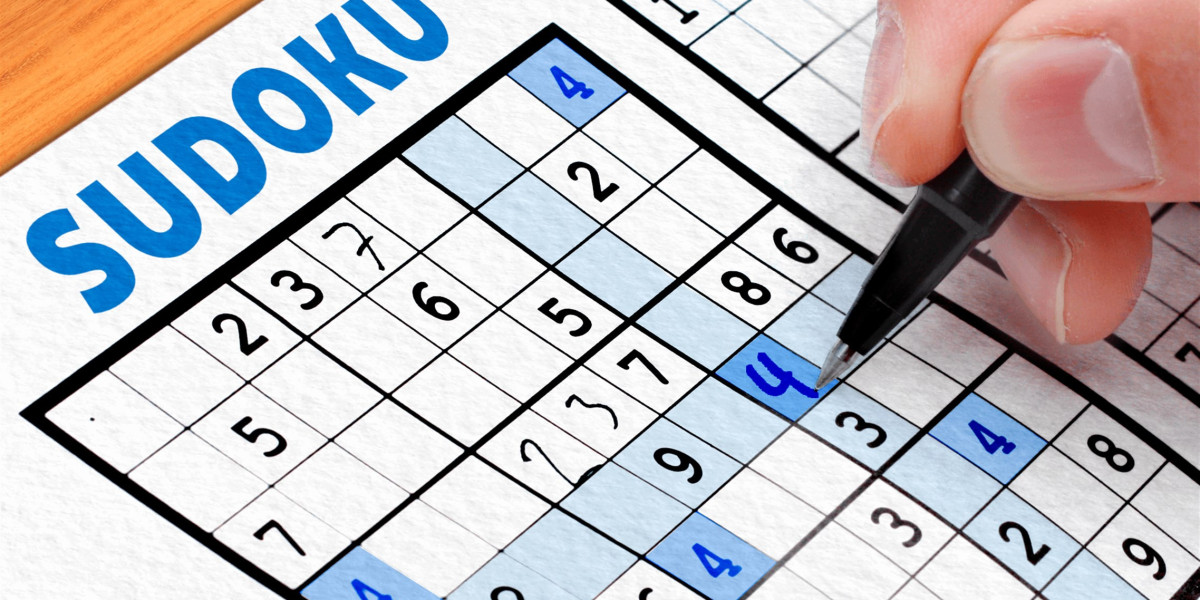

I never imagined a quiet, number-filled grid could make my heart race. Sudoku has always been my go-to brain exercise, but recently I decided to take it to the next level: competitive Sudoku. Timing myself, trying harder puzzles, and testing strategies—I discovered a whole new thrill in the game I thought I already knew.
From Casual Player to Challenger
I’ve been playing Sudoku casually for years. Lazy Sunday mornings, coffee in hand, filling in numbers one by one—slow, meditative, satisfying. But one day, while browsing a puzzle forum, I stumbled upon a thread about competitive Sudoku. People were finishing “hard” grids in under ten minutes! My jaw dropped. Could I ever reach that level?
Fueled by curiosity (and a healthy dose of pride), I decided to challenge myself. No more leisurely solving. This time, it was a race against the clock.
The First Timed Puzzle: Panic Sets In
My first attempt was… humbling. I set a timer for 15 minutes, thinking it would be a breeze. I started confidently, filling obvious numbers with ease. But as the puzzle progressed, my brain felt like it was sprinting a marathon. I panicked over tricky squares, second-guessed every number, and erased more times than I can count.
By the end, I didn’t just fail to finish—I had a sense of comical defeat. My score? A full 15 minutes spent on half the grid. My ego? Slightly bruised.
Why Competitive Sudoku is Surprisingly Fun
Despite the stress, I quickly realized why people love competitive Sudoku. The thrill isn’t just in solving the puzzle—it’s in managing pressure, thinking quickly, and balancing speed with accuracy. Every number placed correctly under time constraints feels like a tiny victory.
Competitive Sudoku teaches you to trust your instincts, recognize patterns faster, and stay calm under pressure. It transforms a meditative activity into a high-stakes challenge without leaving your chair.
Strategies I Developed
After a few failed attempts, I started developing strategies:
1. Scan Efficiently
Instead of scanning randomly, I learned to check rows, columns, and boxes systematically. Every second counts in a timed puzzle.
2. Pencil Marks Under Pressure
Even in a race, light pencil marks save time. They prevent second-guessing and keep the workflow smooth.
3. Focus on Certainties First
Filling in the obvious numbers quickly frees mental energy for trickier parts.
4. Keep Calm
Mistakes happen. In a competitive setting, panic only slows you down. I learned to breathe, regroup, and move forward.
Epic Wins and Sweet Victories
After weeks of practice, I experienced my first true “epic win.” A hard puzzle, timer set for 12 minutes. I scanned, strategized, and moved with precision. Every number fell into place, and I completed it with just 20 seconds to spare.
The feeling was electric. My heart raced, my hands shook, and I felt this incredible rush of accomplishment. That moment solidified my love for Sudoku in a way casual play never did. It’s amazing how a simple puzzle can create such adrenaline.
Hilarious Competitive Fails
Of course, competitive Sudoku isn’t without comedy. I’ve misread numbers in my haste, accidentally duplicated a digit, and even forgotten to fill a crucial square because I was too focused on speed. Each fail was a reminder: even under pressure, Sudoku keeps you humble—and laughing.
Beyond the Grid: Life Lessons from Competitive Play
Competitive Sudoku taught me more than just speed-solving:
Patience under pressure: Even in a race, staying calm improves accuracy.
Trust your instincts: Overthinking slows you down; confidence matters.
Learning from mistakes: Every failed attempt is a step closer to mastery.
Balance: Speed is important, but precision is key.
These lessons translate surprisingly well into everyday life, from work deadlines to personal projects. Sudoku is more than a puzzle—it’s a mini training ground for mental resilience.
Social and Online Challenges
The competitive side of Sudoku isn’t just solo. Online leaderboards and timed competitions bring together players from around the world. I’ve challenged friends virtually, and even a casual “race” makes the game thrilling. The shared groans, cheers, and laughs turn Sudoku into a social experience that’s both fun and motivating.
Trying New Variations
To keep my competitive edge, I also explored variations:
Extreme 16x16 grids: Bigger grids, more numbers, higher stakes.
Diagonal Sudoku: Adds a new layer of complexity for pattern recognition.
Speed Challenges: Timed apps that rank you globally, perfect for adrenaline junkies.
Each variation forces different strategies and keeps the challenge fresh. Even a seasoned player like me can be stumped, which makes victories even sweeter.
Why I Keep Racing
Competitive Sudoku has changed how I view the game. No longer just a relaxing pastime, it’s a dynamic challenge that sharpens my focus, tests my patience, and gives me a rush I didn’t expect from numbers in a grid.
I still play casual puzzles, of course, but timing myself has added a new dimension. The thrill of racing against the clock, the joy of finishing under pressure, and the occasional hilarious fail—these experiences make Sudoku endlessly rewarding.