
Sports injuries are common among athletes of all levels — from beginners to professionals. Whether it’s a sudden twist, a fall, or repetitive strain, the body’s joints and muscles are always at risk during physical activity. Sports injury braces are one of the most effective, non-invasive tools to support recovery, prevent injuries, and allow athletes to stay active with confidence.
What Are Sports Injury Braces?
Sports injury braces are specially designed supportive devices that stabilize joints, reduce strain, control movement, and protect injured tissues during physical activity. They are commonly used for the knee, ankle, wrist, elbow, and shoulder. These braces assist in preventing re-injury, relieving pain, and improving mobility for athletes recovering from accidents or chronic sports-related conditions.
How Sports Injury Braces Help Athletes
1. Improved Joint Stability
Braces provide structural support to weak or injured joints. They limit unnecessary movement that could worsen the injury while still allowing safe mobility.
2. Pain Relief During Activity
Compression-based braces improve blood flow and reduce swelling, lowering overall pain during training or performance.
3. Injury Prevention
Athletes who frequently experience sprains or strains use braces as a preventive measure. For example, ankle braces significantly reduce the risk of rolling the ankle during high-impact sports.
4. Faster Recovery Time
By keeping the injured area aligned and controlled, braces help tissues heal correctly. This speeds up recovery without putting extra pressure on muscles or ligaments.
5. Confidence Boost for Athletes
Returning to the field after an injury can be psychologically challenging. Braces provide a sense of security, allowing athletes to perform without fear of re-injury.
Types of Sports Injury Braces
1. Knee Braces
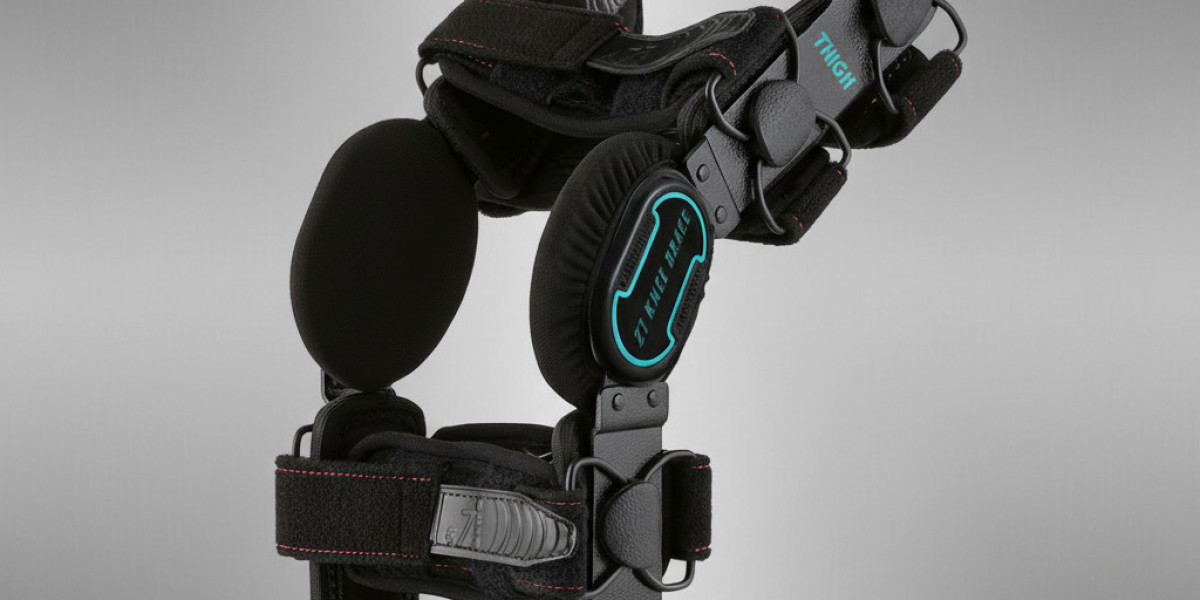
Used for ligament injuries (ACL, MCL), meniscus tears, patellar issues, and joint instability. Hinged and compression knee braces are the most common.
2. Ankle Braces
Perfect for preventing sprains and offering lateral support during activities like running, football, and basketball.
3. Wrist Braces
Helpful for gymnasts, weightlifters, or players who use repetitive wrist motion. They prevent hyperextension and support injured tendons.
4. Elbow Braces
Used for tennis elbow, golfer’s elbow, or tendonitis to reduce strain and improve performance.
5. Shoulder Braces
Provide support for rotator cuff injuries, dislocations, and shoulder instability.
Who Should Use Sports Injury Braces?
Athletes returning from injury
Players with chronic joint pain or instability
Individuals who engage in high-impact sports
Gym-goers lifting heavy weights
Runners or sprinters prone to overuse injuries
Anyone looking for preventive protection during intense activity
Tips for Choosing the Right Sports Injury Brace
Identify the exact injury or weak joint area
Choose the correct type (compression, hinged, immobilization)
Ensure a snug but comfortable fit
Select breathable, durable material
Consult a physiotherapist for severe injuries
Conclusion
Sports injury braces are an essential part of an athlete’s toolkit. They not only prevent injuries but also support healing, enhance performance, and provide the confidence needed to stay active. Whether you’re recovering from an injury or aiming to prevent one, the right brace can make all the difference on the field.