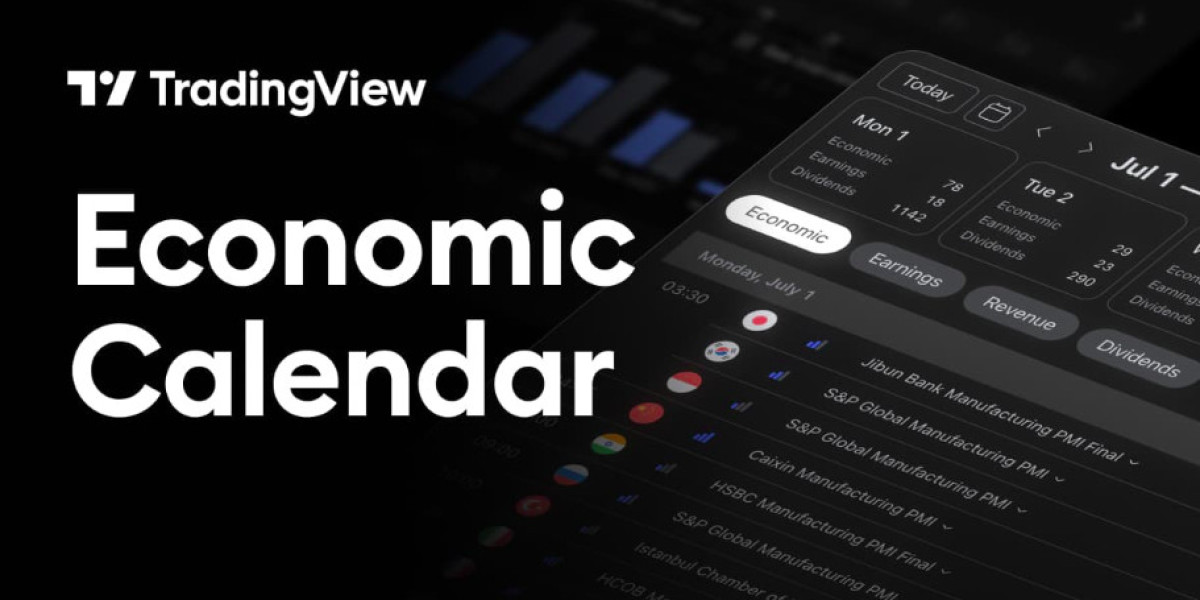

An Economic Calendar is an essential tool for traders and investors. It highlights major economic events, data releases, and announcements, helping users anticipate market volatility, plan trades, and make informed decisions in forex, stocks, and commodities.
What is an Economic Calendar?
An economic calendar is a timetable of global economic events that affect markets. Key features include:
Event date and time
Country of origin
Event importance (high, medium, low)
Forecasted vs. previous results
Traders rely on this data to prioritize impactful events and forecast market reactions.
Importance of Tracking Market Indicators
Market indicators, such as interest rates, consumer confidence, and industrial production, provide insights into the health of an economy. Tracking these indicators through an economic calendar allows traders to.
Monitoring economic indicators through a calendar helps traders:
Identify trends and reversals
Spot short-term and long-term opportunities
Manage risk by predicting volatility
Unexpected unemployment or inflation reports can trigger market swings. Awareness allows traders to adjust positions in advance.
Key Economic Events to Watch
High-impact events that move markets include:
Central Bank Announcements: Interest rate changes and policy statements
Employment Reports: Insights into labor markets and consumer spending
GDP Releases: Measure overall economic growth
Inflation Data: CPI and PPI indicate inflation trends
Trade Balance Reports: Currency valuation and investor sentiment
Focusing on these ensures traders target events that influence markets most.
How to Use an Economic Calendar Effectively
Maximize the calendar’s potential by:
Filtering events by market impact
Setting alerts for upcoming releases
Analyzing historical data for patterns
Planning trades in advance to avoid impulsive decisions
This structured approach improves efficiency and risk management.
Integrating Calendars with Trading Strategies
Economic calendars are most powerful when integrated with trading plans. They complement technical and fundamental analyses by providing context for market movements. For example, combining trend analysis with scheduled economic events can refine entry and exit points.
Economic calendars complement technical and fundamental analyses. Popular strategies include:
News Trading: Exploit post-announcement price movements
Position Adjustments: Hedge or scale positions before high-impact events
Volatility Forecasting: Anticipate market swings
Integration ensures trades align with market expectations and reduces unexpected risks.
Tools & Platforms for Economic Calendars
Selecting the right tool involves evaluating data accuracy, update speed, and ease of integration with personal trading setups. Efficient access ensures traders never miss critical announcements that could influence market positions.
Top platforms offer:
Real-time updates
Historical data comparisons
Customizable filters
Alert systems
Choosing a reliable tool ensures traders never miss critical announcements.
Common Mistakes to Avoid
Even experienced traders can make errors when relying on economic calendars. Common pitfalls include:
Treating all events equally
Overrelying on forecasts
Ignoring time zone differences
Trading impulsively without a plan
Being aware of these mistakes helps maintain a disciplined approach, ensuring the calendar serves as a strategic advantage rather than a distraction.
Conclusion
An Economic Calendar is vital for smart trading. It provides insight into market trends, highlights critical economic events, and improves decision-making. By integrating it into strategies, traders can reduce risk, spot opportunities, and navigate markets confidently.