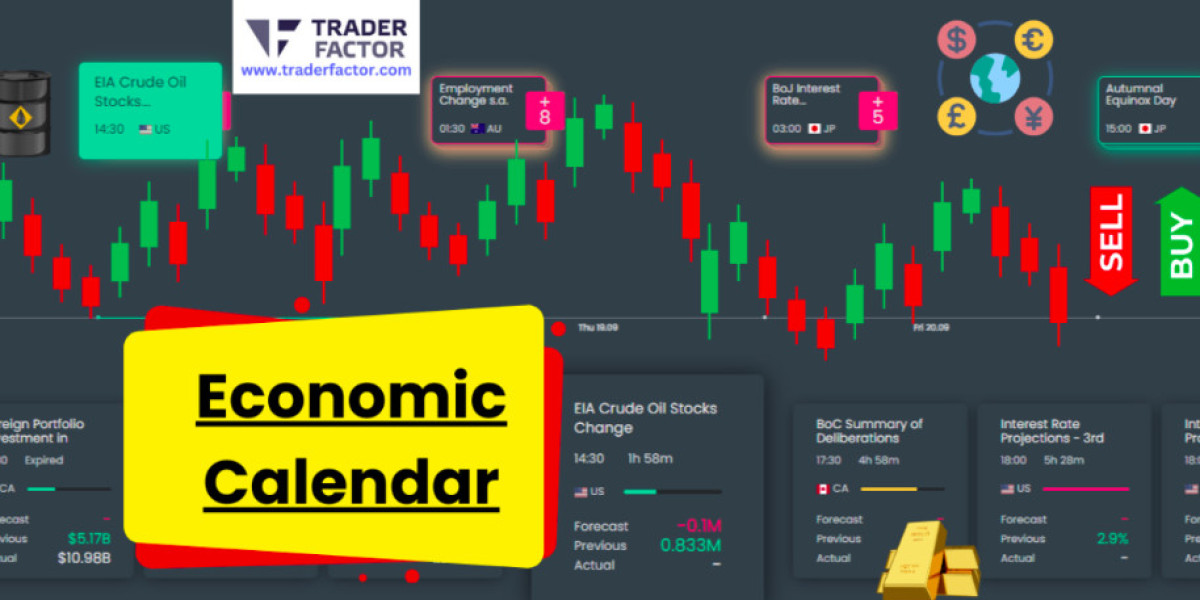

The Global Economic Calendar provides traders, investors, and analysts with a precise roadmap of market-moving events. Tracking economic releases, central bank decisions, and geopolitical developments helps anticipate market volatility and strategically position portfolios to capitalize on opportunities.
Central Bank Meetings and Policy Updates
Central banks are pivotal in guiding global monetary policy, influencing currencies, bonds, and equity markets.
Key meetings include:
Federal Reserve (Fed): Interest rate changes and inflation guidance impact USD pairs.
European Central Bank (ECB): Eurozone monetary policy shapes bond yields and the euro.
Bank of England (BoE): Rate adjustments influence GBP and domestic equity sentiment.
Bank of Japan (BoJ): Policy decisions affect yen movements and safe-haven demand.
Understanding statements, minutes, and press conferences provides insight into future market trends.
Major Economic Data Releases
Economic indicators offer a window into growth, inflation, and employment trends. High-impact releases often drive short-term market reactions.
Must-watch indicators:
Consumer Price Index (CPI): Reveals inflation trends affecting interest rates.
Producer Price Index (PPI): Measures price pressures in production stages.
Gross Domestic Product (GDP): Tracks economic expansion or contraction quarterly.
Employment Reports: Includes Non-Farm Payrolls, unemployment rate, and jobless claims.
Aligning trading strategies with these releases improves accuracy in anticipating price movements.
Weekly Economic Highlights
Weekly data helps monitor immediate economic momentum and investor sentiment. Key weekly releases include:
Retail Sales: Reflects consumer spending strength across sectors.
Industrial Production: Measures output from manufacturing, utilities, and mining.
Consumer Confidence: Indicates household optimism for economic growth.
Housing Market Reports: Tracks building permits, housing starts, and home sales.
Regularly reviewing these metrics enables more agile portfolio management and timely decisions.
Geopolitical Events Impacting Markets
Geopolitical developments can cause sudden market volatility. Traders and investors must factor these events into their planning.
Critical geopolitical triggers:
Trade Agreements: Updates influence global supply chains and equity markets.
Elections: Presidential or parliamentary outcomes may reshape fiscal policies.
International Tensions: Conflicts or resolutions often drive demand for safe-haven assets.
Monitoring global headlines ensures informed decisions and minimizes exposure to unexpected swings.
Monthly Market Trends
Structuring the calendar by month helps anticipate market-moving events and refine investment timing.
January: Focus on fiscal year projections, inflation expectations, and central bank outlooks.
April: Q1 earnings, employment data, and trade balance reports provide insights into economic health.
July: Mid-year policy revisions, international summits, and commodity updates influence market sentiment.
October: Q3 GDP, corporate performance, and fiscal changes shape equity and currency movements.
Monthly awareness allows investors to plan strategies around predictable volatility periods.
Market Reactions to Key Data
Markets typically respond to economic data in structured patterns. Understanding these reactions improves decision-making.
Forex Markets: Sensitive to interest rate announcements and inflation surprises.
Equity Markets: React to GDP growth, corporate earnings, and consumer confidence.
Commodities: Gold, oil, and agricultural products fluctuate with economic and geopolitical shifts.
Bond Yields: Adjust according to inflation expectations and central bank guidance.
Anticipating these reactions helps traders align positions with prevailing market sentiment.
Tools for Following the Economic Calendar
Optimized tracking tools ensure no critical data is missed and enable real-time strategy adjustments.
Economic Calendar Platforms: Provide live updates, alerts, and interactive schedules.
Financial News Channels: Bloomberg, Reuters, and CNBC offer live commentary.
Trading Software: Integrated analytics display economic indicators alongside charts.
News Aggregators: Consolidate relevant headlines to streamline decision-making.
Combining these tools provides a complete picture of upcoming events and market impact.
Strategies to Navigate Market Volatility
Volatility is inherent to financial markets, but strategic planning can transform it into opportunity.
Set Alerts: Highlight high-impact events on trading platforms.
Diversify Portfolios: Spread exposure across regions and asset classes.
Use Stop-Loss Orders: Protect against unexpected downside movements.
Analyze Sentiment: Combine technical indicators with fundamental insights for informed positioning.
A proactive approach ensures risk management and maximizes potential gains in uncertain markets.
Conclusion
The Global Economic Calendar is a critical tool for understanding the flow of global markets. By tracking central bank actions, economic indicators, and geopolitical events, investors can anticipate trends, manage risks, and identify profitable opportunities. Leveraging monthly and weekly insights, alongside advanced tracking tools, ensures preparedness for market volatility, enabling strategic decisions that enhance portfolio performance throughout the year. Staying informed and proactive in 2025 transforms uncertainty into actionable financial advantage.