
Construction work is highly dependent on environmental conditions, and weather plays a critical role in determining the success, safety, cost, and timeline of construction projects. From extreme heat and cold to rain, wind, and humidity, Umrah Packages weather conditions can significantly influence construction processes, material performance, and worker productivity. Understanding how different weather conditions affect construction work is essential for effective planning, risk management, Umrah Packages and project execution.
Impact of Rain on Construction Activities
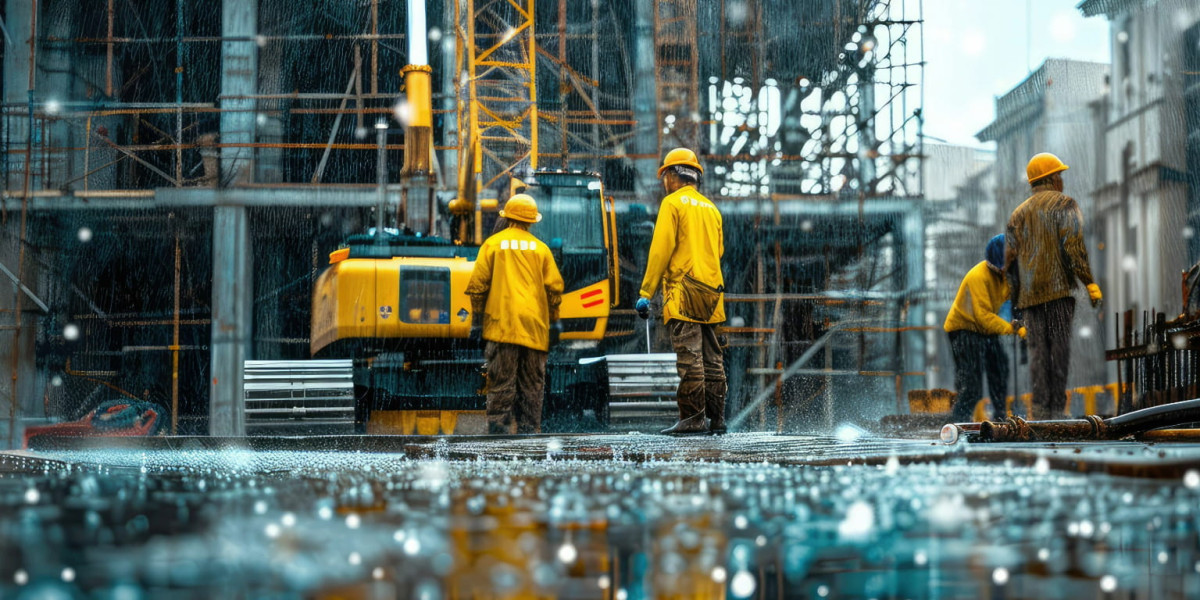
Rain is one of the most common weather-related challenges Umrah Packages in construction. Heavy rainfall can cause delays by making construction sites muddy, slippery, and unsafe for workers. Wet ground conditions can prevent the use of heavy machinery, delay excavation work, and increase the risk of accidents such as slips and falls.
Rain also affects material quality. For example, Umrah Packages concrete requires controlled moisture levels to cure properly. Excessive rain can weaken concrete by washing away cement particles, while water intrusion can affect wood, steel, and insulation materials, leading to long-term structural issues such as corrosion, warping, or mold growth. Roofing, painting, and exterior finishing work are particularly vulnerable to rain, Umrah Packages often requiring work stoppages until conditions improve.
Effects of Extreme Heat on Construction Work
High temperatures present serious challenges for both Umrah Packages construction materials and workers. Extreme heat can reduce worker productivity, increase fatigue, and raise the risk of heat-related illnesses such as heat exhaustion or heat stroke. Workers may need more frequent breaks, hydration, and reduced working hours, Umrah Packages which can slow project progress.
From a materials perspective, heat can accelerate the Umrah Packages curing process of concrete, potentially leading to cracking or reduced strength if not properly managed. Asphalt may become too soft, affecting road construction and paving operations. Additionally, certain adhesives, sealants, and coatings may not perform as intended when exposed to excessive heat, compromising construction quality.
Cold Weather and Its Challenges
Cold weather also poses significant obstacles in construction Umrah Packages. Low temperatures can freeze soil, making excavation difficult and increasing equipment wear. Concrete work becomes especially challenging in cold conditions, as freezing temperatures can prevent proper curing, leading to weak or brittle structures. To counteract this, contractors may need to use heated enclosures, insulating blankets, or chemical additives, all of which increase project costs.
Cold weather affects workers as well. Reduced dexterity, discomfort, and the risk of frostbite or hypothermia can limit productivity and safety. Umrah Packages Snow and ice accumulation further complicate operations by creating hazardous working surfaces and obstructing access to construction sites.
Wind and Its Influence on Construction Sites
Wind is another critical weather factor, Umrah Packages particularly for high-rise construction and crane operations. Strong winds can make lifting and placing materials dangerous, increasing the risk of accidents involving falling objects or equipment instability. As a result, crane operations and work at heights may be suspended during windy conditions.
Wind also affects temporary structures such as scaffolding, formwork, and safety barriers. Poorly secured materials can become airborne, posing serious safety risks to workers and nearby pedestrians. In addition, wind can interfere Umrah Packages with precision tasks like concrete pouring, welding, or the application of coatings and finishes.
Humidity and Moisture-Related Issues
Humidity levels can significantly affect construction Umrah Packages materials and processes. High humidity can slow the drying and curing of concrete, paint, and adhesives, leading to delays and potential quality issues. Moisture-sensitive materials, such as wood and drywall, may absorb excess moisture, causing swelling, warping, or long-term deterioration.
Conversely, very low humidity can cause materials to dry too quickly, resulting in cracks or reduced bonding strength. Managing humidity is particularly important in interior construction work, where controlled environmental conditions are necessary Umrah Packages to ensure durability and performance.
Weather-Related Safety Concerns
Weather conditions directly impact construction site safety Umrah Packages. Wet or icy surfaces increase the likelihood of slips and falls, while extreme temperatures can impair judgment and physical performance. Storms, lightning, and strong winds pose serious hazards, often requiring work stoppages to protect workers.
Construction companies must implement safety protocols such as Umrah Packages weather monitoring, emergency response plans, and worker training to mitigate weather-related risks. Personal protective equipment (PPE), proper scheduling, and site preparation play crucial roles in maintaining safety under adverse weather conditions.
Effects on Project Scheduling and Costs
Unpredictable weather can disrupt construction schedules Umrah Packages and increase project costs. Delays caused by rain, storms, or extreme temperatures may extend project timelines, resulting in higher labor, equipment, and overhead expenses. Weather-related damage to materials or completed work can further increase costs through repairs or replacements.
To manage these challenges, construction managers Umrah Packages often incorporate weather contingencies into project planning. This includes scheduling weather-sensitive tasks during favorable seasons, using weather-resistant materials, and employing advanced forecasting tools to anticipate potential disruptions.
Strategies to Minimize Weather Impacts
While weather cannot be controlled, its impact on construction work Umrah Packages can be minimized through effective planning and technology. Modern construction projects use weather forecasting, protective coverings, temporary shelters, and specialized materials designed to withstand extreme conditions. Flexible scheduling and adaptive construction methods also help reduce downtime and maintain productivity.
Additionally, advancements in construction technology, Umrah Packages such as prefabrication and modular construction, allow certain tasks to be completed in controlled indoor environments, reducing reliance on favorable weather conditions.
Conclusion
Weather conditions play a vital role in shaping construction Umrah Packages work, influencing safety, productivity, material performance, and project timelines. Rain, heat, cold, wind, and humidity each present unique challenges that must be carefully managed to ensure successful project completion. By understanding these impacts and implementing proactive strategies, construction professionals can minimize weather-related risks, Umrah Packages control costs, and deliver high-quality projects despite environmental uncertainties.