
Maintaining a healthy heart is no longer optional—it’s essential. With rising lifestyle-related heart conditions, people are becoming more proactive about cardiovascular screening. One of the most reliable and accessible diagnostic methods today is the treadmill test near me, a simple yet highly informative assessment of heart performance under stress. Whether you’re an athlete monitoring fitness, someone with mild symptoms, or simply taking preventive steps, understanding how this test works can help you make better decisions for your health.
In this detailed guide by Ecotown, we walk you through everything you need to know: how the test works, why doctors recommend it, how to prepare, and what to expect during your visit.
What Is a Treadmill Test?
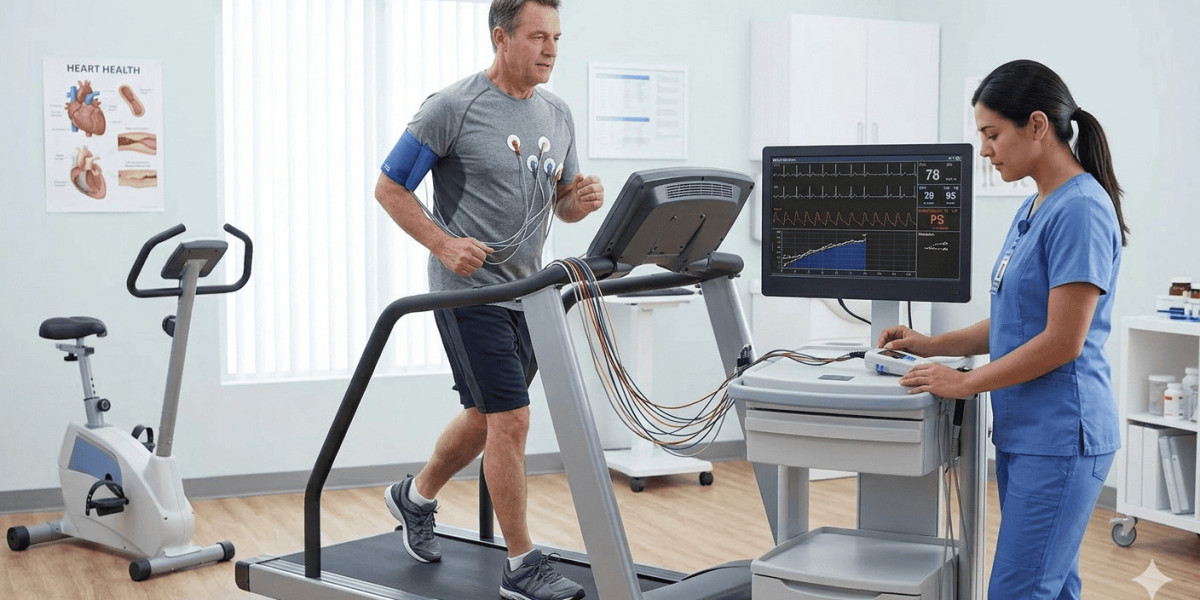
A treadmill test—often called a stress test or TMT—is a cardiac examination that measures how well the heart functions during physical activity. The purpose is to detect potential cardiac issues that may not be visible when the body is at rest. During the test, you walk on a treadmill while your heart activity is monitored using an ECG device.
The primary goal of this evaluation is to determine how efficiently your heart pumps blood when workload increases. If you’ve ever searched for a treadmill test near me, you’ve likely seen clinics offering it as a routine screening, especially for individuals above 35 or those experiencing early symptoms of cardiac problems.
Why Do Doctors Recommend a Treadmill Test?
Doctors suggest a treadmill test for various diagnostic and preventive purposes. While it is commonly used for detecting coronary artery disease, the test also serves broader functions that help build a complete picture of your heart health.
1. Detecting Restricted Blood Flow
The test shows how the heart responds when increased demand is placed on it. If blood flow is compromised, doctors can identify potential blockages early.
2. Evaluating Heart Rhythm Problems
Irregular heartbeats during exercise can be a warning sign of underlying arrhythmias.
3. Monitoring Recovery After Heart Treatment
Patients who have undergone procedures such as angioplasty or bypass surgery often get this test to assess recovery progress.
4. Preventive Screening for Fitness Enthusiasts
Athletes and regular gym-goers often search for a treadmill test near me to ensure their training intensity aligns with their cardiac capacity.
How the Test Works: Step-by-Step Breakdown
Understanding what happens during a TMT visit can help ease anxiety and prepare you mentally.
Step 1: Pre-Test Evaluation
A technician will record:
Resting heart rate
Blood pressure
Any symptoms or medical history
Current medications you’re taking
This baseline measurement helps compare before-and-after results.
Step 2: Electrode Attachment
Small, painless electrodes are attached to your chest. These are connected to an ECG machine that records your heart’s electrical activity throughout the session.
Step 3: Walking on the Treadmill
You start walking at a slow pace. The speed and incline gradually increase every few minutes. Clinics offering a treadmill test near me usually follow the standard Bruce Protocol, which is globally recognized.
Step 4: Monitoring and Observation
The technician watches for:
Changes in heart rhythm
Sudden drops or spikes in blood pressure
Breathing capacity
Any discomfort or pain you report
If anything unusual appears, the test is stopped immediately for safety.
Step 5: Cooldown and Final Readings
After stopping, your heart activity is monitored for a few minutes until it returns to normal resting levels.
Who Should Consider a Treadmill Test?
You don’t need severe symptoms to benefit from this test. In fact, early screening helps detect hidden risks before they escalate.
You should consider it if you:
Experience chest discomfort or shortness of breath during mild exertion
Have a family history of heart disease
Are a smoker or former smoker
Have diabetes, high blood pressure, or high cholesterol
Plan to begin a new fitness program
Are over 40 and haven’t had a recent cardiac evaluation
People often search online for a treadmill test near me when they experience recurring fatigue, dizziness, or unexplained breathlessness—early signs that shouldn’t be ignored.
How to Prepare for Your TMT Appointment
Preparation plays a significant role in achieving accurate results. At Ecotown, we provide clear guidelines to help you get ready for your test.
Follow These Before-Test Instructions:
Wear light and comfortable clothing
Avoid heavy meals at least 3 hours before the test
Do not consume caffeine on the day of the test
Follow medication instructions given by your doctor
Stay hydrated, but don’t overdrink
Arriving prepared is one of the simplest ways to get the most reliable results when you book a treadmill test near me.
Understanding Your Treadmill Test Results
A detailed evaluation of your test includes multiple indicators. Doctors usually look for:
1. Heart Rate Response
How quickly your heart reaches its target rate and returns to normal.
2. ECG Changes
Any abnormal electrical patterns that suggest blocked arteries.
3. Blood Pressure Behavior
Unexpectedly high or low readings can indicate heart strain.
4. Symptoms During the Test
Chest pain, dizziness, or fatigue provide important diagnostic clues.
Results are typically categorized as:
Normal: Safe to continue normal or vigorous activity.
Borderline: Additional tests may be recommended.
Abnormal: Suggests possible coronary artery disease or other issues needing further evaluation.
Why Choose Ecotown for Your TMT?
Ecotown prioritizes accurate diagnostics, patient safety, and comfortable testing environments. When people look for a treadmill test near me, our facility stands out because of our combination of modern equipment and expert technicians.
Here’s what sets Ecotown apart:
Advanced ECG-integrated treadmills for precise readings
Experienced cardiac technicians
Quick, same-day reports
Affordable and transparent pricing
Personalized pre- and post-test guidance
Whether you’re undergoing routine screening or preparing for a major fitness transformation, Ecotown ensures a smooth, professional experience.
Signs You Should Not Ignore Before Booking a TMT
While some symptoms may seem harmless, they often indicate underlying stress on the heart. People frequently seek a treadmill test near me after noticing one or more of these warning signs:
Common Symptoms:
Tightness in the chest
Breathlessness while climbing stairs
Frequent tiredness even after rest
Heart palpitations
Lightheadedness during routine activities
If you experience any of these, getting evaluated sooner rather than later can prevent complications.
Conclusion
A treadmill test is a simple, non-invasive, and highly effective way to understand your heart's performance under stress. With heart diseases on the rise, routine cardiovascular screening has become essential, not optional. Searching for a treadmill test near me is the first step toward preventive care—and choosing a trusted facility like Ecotown ensures reliable results and expert guidance.
Prioritize your heart health today. Your body will thank you for it in the long run.
FAQs
1. Is the treadmill test painful?
No, the test is not painful. You may feel tired from the walking or running, but the process itself is comfortable and safe when supervised by professionals.
2. How long does the test take?
The entire process, including preparation and cooldown, usually takes around 30 to 45 minutes.
3. Can I take the test if I have joint problems?
If you have knee or back issues, inform the technician beforehand. They might adjust the test or recommend an alternative cardiac exam.
4. Do I need a doctor’s prescription to get a TMT?
Most centers allow walk-ins, but having a prescription helps ensure the test is appropriate for your condition.
5. How often should I repeat the test?
For healthy adults, once every 1–2 years is generally recommended. People with risk factors may require more frequent screening.